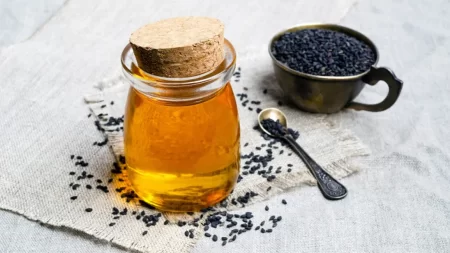
Black seed oil, derived from the seeds of the Nigella sativa plant, has been celebrated for centuries for its healing properties. Known as Kalonji, black cumin, or the “blessed seed,” this oil is packed with antioxidants and anti-inflammatory compounds, particularly thymoquinone (TQ), which gives it many of its therapeutic benefits. From skin and hair care to overall wellness, black seed oil has earned a place in both traditional and modern medicine.
However, it’s important to remember that while black seed oil shows promising health benefits, it should be used responsibly and ideally under the guidance of a healthcare professional.
How to Take Black Seed Oil Orally
Oral consumption of black seed oil is one of the most popular ways to harness its benefits for digestion, immunity, and general health.
Suggested Dosage
There’s no universally established dosage, but research and traditional use provide some guidance:
- General wellness: 1–2 teaspoons per day.
- Weight management: Up to 2,000–3,000 mg daily.
- Type 2 diabetes: Approximately 2 grams per day.
Tip: Start with a smaller dose to see how your body reacts, and gradually increase if needed.
Methods of Consumption
- Straight: Take ½–1 teaspoon on an empty stomach in the morning. Drink water or milk afterward to reduce the strong, peppery taste.
- With honey or lemon juice: Mix with honey or a few drops of lemon juice for a more palatable taste.
- In smoothies: Add a teaspoon to your morning smoothie for an easy nutritional boost.
- In salad dressings: Whisk with olive oil and lemon juice for a healthy, flavorful dressing.
- For better sleep: Mix a teaspoon with honey and warm milk before bed to promote relaxation and improve sleep quality.
Topical Use: Skin and Hair
Black seed oil is also valued for its topical applications, thanks to its anti-inflammatory, antimicrobial, and antioxidant properties.
For Skin
- Acne: Mix 1 teaspoon of black seed oil with 2 teaspoons of aloe vera gel. Apply to the face for 15 minutes, then rinse with warm water. It may help reduce inflammation and bacterial growth.
- Eczema and psoriasis: Apply directly to affected areas to soothe irritation and redness.
- Hydration: Combine with your regular moisturizer to improve skin texture and moisture retention.
For Hair
- Hair loss: Massage slightly warmed black seed oil into the scalp to nourish follicles and promote hair growth. Some studies suggest it can improve hair thickness and density.
- Dandruff: Its antimicrobial and anti-inflammatory effects can reduce flakiness and soothe scalp irritation.
Pro Tip: Always do a patch test before using topically to avoid allergic reactions.
Important Precautions
While black seed oil is generally safe for most people, some precautions are essential:
- Consult a healthcare provider if you take medications for diabetes, high blood pressure, or blood clotting.
- Drug interactions: Black seed oil can alter how the liver metabolizes certain drugs, including blood thinners, beta-blockers, and diabetic medications.
- Pregnancy and breastfeeding: High doses are not recommended during pregnancy. Consult a doctor before using it while breastfeeding.
- Surgery: Stop intake at least two weeks before surgery due to potential effects on blood clotting and blood sugar.
- Side effects: Oral use may cause nausea, bloating, indigestion, or a burning sensation. Topical use can occasionally cause allergic reactions.
Final Thoughts
Black seed oil is a time-tested elixir with benefits ranging from skin and hair care to immunity, digestion, and heart health. By incorporating it responsibly into your daily routine—whether orally or topically—you can enjoy its natural wellness support.
Remember: consistency matters, start with small amounts, and always consult your healthcare provider if you have any existing conditions.
Experience the power of this “blessed seed” and make black seed oil a part of your daily wellness journey.