Mucuna pruriens is a well-known Ayurvedic herb that has attracted growing interest among people exploring traditional plant-based wellness. Also known as kapikachu, kapi kachu and velvet bean, this tropical climbing plant is particularly recognised for its naturally occurring L-Dopa content. Used in traditional Indian medicine for generations, its seeds are commonly processed into herbal powder.
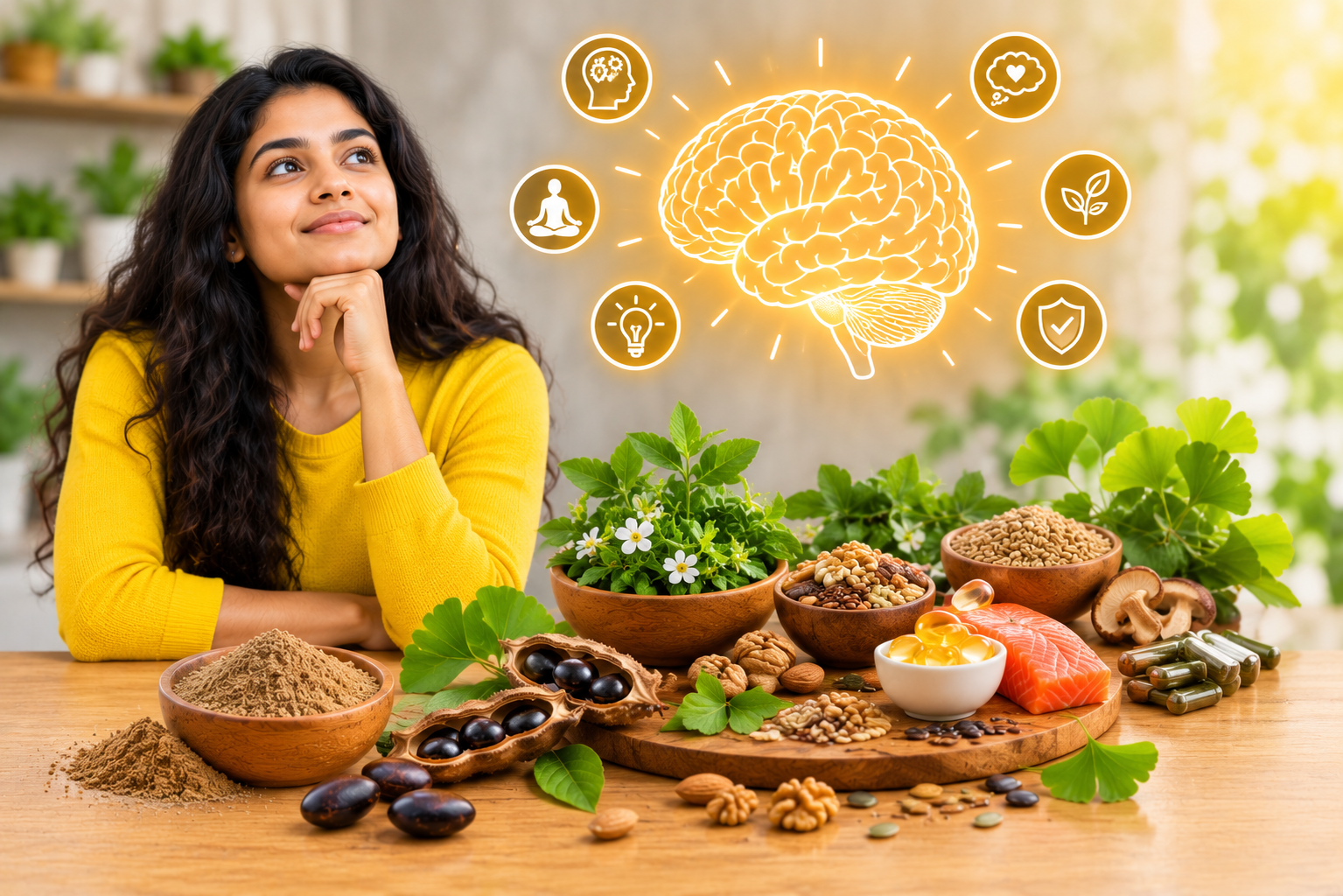
Today, interest in Mucuna pruriens continues to grow because of its traditional association with vitality, nervous system wellness and overall balance. However, understanding its properties, traditional applications and precautions is important before considering it as part of a wellness routine.
Table of Contents
- What Is Mucuna Pruriens?
- Why Is Mucuna Pruriens Popular in Ayurveda?
- 5 Traditional Mucuna Pruriens Benefits
- Understanding Its Natural L-Dopa Content
- How Is Kapikachu Powder Traditionally Used?
- How to Choose Quality Kapikachu Powder
- Safety Precautions and Possible Interactions
- Why Choose Kerala Naturals?
- Frequently Asked Questions
- Conclusion
What Is Mucuna Pruriens?
Mucuna pruriens is a tropical leguminous climbing plant belonging to the Fabaceae family. It is commonly called velvet bean because its seed pods are covered with fine, velvety hairs. The plant grows in tropical and subtropical regions, including parts of India.
In Ayurveda, its seeds are traditionally known as Kapikacchu or Kapikachu. The names kapi kachu and velvet bean are also widely used when discussing this herb.
The seeds are the most recognised part of the plant for traditional herbal preparations. After appropriate processing, they can be dried and ground into a fine herbal powder.
One of the most interesting characteristics of this plant is its natural L-Dopa content. L-Dopa is a precursor that the body uses to produce dopamine, a neurotransmitter involved in movement, motivation and reward-related processes.
The concentration of L-Dopa can differ according to seed variety, growing conditions and processing methods. Therefore, not all herbal powders have identical compositions.
Why Is Mucuna Pruriens Popular in Ayurveda?
Traditional Ayurvedic medicine has included kapikachu in herbal preparations associated with vitality, nourishment and nervous system wellness.
It is traditionally classified among herbs used in formulations intended to support strength and general well-being. Its historical use has attracted modern scientific interest, particularly because researchers have studied its naturally occurring L-Dopa.
Unlike many ordinary culinary herbs, this plant contains a biologically active compound that can influence dopamine-related pathways. This makes understanding its properties and precautions especially important.
Although traditional use provides valuable historical context, it does not automatically establish that every claimed benefit has been scientifically proven.
5 Traditional Mucuna Pruriens Benefits
The following five areas explain why this herb has received attention in traditional medicine and modern herbal research. These are areas of traditional use and scientific interest, not guaranteed health outcomes.
1. Traditionally Associated with Nervous System Wellness
One of the main reasons people explore Mucuna pruriens is its traditional association with nervous system health.
Its seeds naturally contain L-Dopa, which the body can convert into dopamine. Dopamine is involved in several important neurological processes, including movement, motivation and communication between nerve cells.
This biochemical connection has made the plant an important subject in neurological research.
However, the presence of L-Dopa does not mean that ordinary herbal powder can safely treat neurological conditions. People experiencing tremors, movement difficulties or other neurological symptoms should seek medical assessment rather than self-treating with herbal supplements.
2. Contains Naturally Occurring L-Dopa
The natural L-Dopa content is one of the most distinctive characteristics of this herb.
L-Dopa, also called levodopa, is a compound that serves as a precursor to dopamine. The body uses it in dopamine production, making it important in certain neurological pathways.
Researchers have studied the seeds of this plant because they provide a natural botanical source of this compound.
The actual concentration can vary considerably between preparations. Standardised extracts and ordinary seed powders should not be considered equivalent.
This is also why kapikachu requires more careful consideration than many everyday herbal ingredients. Its active compounds can have meaningful physiological effects and may interact with medicines.
3. Traditionally Used to Support Vitality
In Ayurvedic practice, kapikachu has traditionally been included in preparations associated with strength, nourishment and vitality.
Its historical use has contributed to its popularity among people interested in traditional herbal wellness.
Some modern discussions associate the plant with physical performance and general vitality because of its biochemical properties. Nevertheless, strong clinical evidence supporting these benefits in healthy individuals remains limited.
A balanced diet, regular exercise, adequate sleep and appropriate healthcare remain the foundation of physical well-being.
4. Studied for Its Antioxidant Properties
Plant-based ingredients contain different naturally occurring compounds that researchers investigate for their antioxidant properties.
Mucuna pruriens seeds contain several phytochemicals, including phenolic compounds. Laboratory research has examined their antioxidant activity and potential biological effects.
Antioxidants are substances that can help neutralise certain reactive molecules under appropriate conditions.
However, laboratory findings should not be interpreted as proof that consuming kapikachu powder prevents diseases or produces specific antioxidant benefits in humans.
More human research is needed to understand how its different plant compounds behave in the body.
5. Valued in Traditional Herbal Formulations
Another reason this herb remains popular is its long-standing place in Ayurvedic formulations.
Traditional practitioners have used kapikachu as an ingredient in selected preparations intended to support overall nourishment and vitality.
It is also included in certain classical herbal combinations rather than always being used as a standalone ingredient.
This traditional background has encouraged continued interest in the plant among people exploring India’s herbal heritage.
Nevertheless, the suitability of any formulation depends on the individual, the preparation, the quantity and possible interactions with other substances.
Understanding the Natural L-Dopa Content
To understand why Mucuna pruriens receives so much attention, it helps to understand dopamine.
Dopamine is a neurotransmitter that participates in several functions, including:
- Motivation and reward processing.
- Movement coordination.
- Learning and memory-related processes.
- Attention and behavioural responses.
- Communication between nerve cells.
The body produces dopamine through a biochemical pathway that begins with the amino acid tyrosine.
L-Dopa is an intermediate compound in this process. The seeds of velvet bean naturally contain L-Dopa, which distinguishes this plant from many other traditional Ayurvedic herbs.
Prescription levodopa is also used in medical treatment, particularly for Parkinson’s disease. However, prescription medicines are carefully formulated and administered under medical supervision.
A herbal powder containing naturally occurring L-Dopa is not a substitute for prescription medication. Its concentration may be unpredictable, and its effects can differ from those of standardised medicines.
How Is Kapikachu Powder Traditionally Used?
Kapikachu powder is prepared from the seeds of the plant after suitable processing, drying and grinding.
In traditional Ayurvedic practice, preparations may be combined with different ingredients depending on the intended formulation and individual requirements.
Some traditional preparations use warm milk or water as a mixing medium. However, there is no universally appropriate serving size for everyone.
The amount of L-Dopa in herbal preparations can vary, so consumers should not assume that one brand or batch has the same composition as another.
Before considering its use, consult a qualified Ayurvedic practitioner or healthcare professional. Follow professional guidance and the product’s instructions rather than experimenting with quantities.
It is also important to distinguish between ordinary seed powder and standardised extracts, as their concentrations and effects may differ.
How to Choose Quality Kapikachu Powder
Selecting a reliable herbal product is important when exploring traditional ingredients.
Here are some points to consider when purchasing kapikachu powder.
Check the Botanical Name
Look for the correct botanical identification, Mucuna pruriens, on the product packaging.
The common names velvet bean, kapikachu and kapi kachu may also appear on product descriptions.
Read the Ingredient List
Choose a clearly labelled product that identifies its ingredients and avoids unnecessary additives.
If the product is advertised as pure seed powder, check that the label accurately reflects its composition.
Check Manufacturing Information
Look for important product details, including:
- Net weight.
- Batch or lot number.
- Manufacturing date.
- Expiry or best-before date.
- Manufacturer’s contact information.
- Storage instructions.
These details help consumers make informed purchasing decisions.
Choose a Trusted Herbal Brand
Purchase from a seller or manufacturer that provides transparent product information and appropriate quality documentation.
Good packaging, clear labelling and accessible customer support are useful indicators when evaluating herbal products.
Safety Precautions and Possible Interactions
Although kapikachu has a long history in traditional medicine, it should not automatically be considered safe simply because it comes from a plant.
Its natural L-Dopa content makes it a biologically active herbal ingredient.
Possible adverse effects associated with L-Dopa-containing preparations include nausea, vomiting, changes in blood pressure, dizziness, sleep disturbances and involuntary movements.
It may also interact with prescription medicines, particularly those affecting dopamine pathways.
People taking medication for Parkinson’s disease, psychiatric conditions, blood pressure or other chronic health conditions should obtain medical advice before considering this herb.
Pregnant or breastfeeding individuals should avoid using it unless specifically advised by an appropriate healthcare professional.
Do not discontinue prescribed medicines or replace medical treatment with kapikachu powder.
If you experience unusual symptoms after using a supplement, stop taking it and seek professional advice.
Why Choose Kerala Naturals?
Kerala Naturals offers a range of traditional herbal ingredients inspired by India’s natural and Ayurvedic heritage.
When exploring herbal products, consumers should prioritise clear ingredient information, appropriate packaging and responsible product sourcing.
Whether you are learning about traditional herbs or comparing different plant-based ingredients, understanding their botanical identity and intended use helps you make better purchasing decisions.
Explore the Kerala Naturals website to learn more about its range of natural products.
Frequently Asked Questions
1. What Is Mucuna Pruriens Also Called?
Mucuna pruriens is commonly known as velvet bean. In traditional Indian herbal practice, it is also called kapikachu or kapi kachu.
2. Does Mucuna Pruriens Naturally Contain L-Dopa?
Yes. Its seeds naturally contain L-Dopa, a compound involved in dopamine production. The concentration varies depending on the seed source and processing method.
3. Is Kapikachu the Same as Velvet Bean?
Yes. Kapikachu is a traditional Indian name for Mucuna pruriens, which is commonly known as velvet bean.
4. Can Kapikachu Powder Be Used Every Day?
Daily use should not be assumed to be safe for everyone. Its L-Dopa content can produce physiological effects and interact with medicines. Consult a healthcare professional before considering regular use.
5. Is Mucuna Pruriens a Replacement for Parkinson’s Medication?
No. Herbal kapikachu powder is not a substitute for prescribed levodopa or other Parkinson’s medications. Anyone with Parkinson’s disease should discuss supplements with their treating specialist.
Conclusion
Mucuna pruriens is an interesting traditional Ayurvedic herb recognised for its natural L-Dopa content and long history in Indian herbal preparations. Its association with nervous system wellness, vitality and antioxidant research explains why it continues to attract attention.
From its botanical properties to its traditional applications, kapikachu offers an opportunity to understand India’s rich herbal heritage. However, its active compounds require responsible use, and many proposed benefits still need stronger human research.
When exploring herbal wellness products from Kerala Naturals or other trusted manufacturers, check the ingredient information, prioritise quality and seek professional advice before use. Traditional knowledge and modern scientific understanding should work together to support informed decisions.
External Resources
- Mucuna pruriens – Clinical Research and Systematic Review (2025) – Supports discussion of L-Dopa and clinical research.
- RIVM – Safety Assessment of Mucuna pruriens – Useful for safety precautions and possible interactions.
-
Scientific Review of Mucuna pruriens – Covers botanical properties, traditional applications and research limitations.