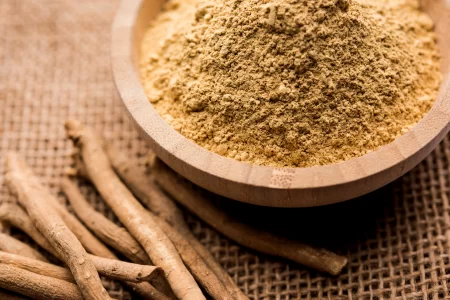
If there’s one herb that truly bridges ancient Ayurveda and modern wellness, it’s Ashwagandha. Known for over 3,000 years in India’s healing traditions, this humble root is now one of the world’s most talked-about adaptogens . Stress, sleepless nights, fatigue, hormonal imbalances – Ashwagandha seems to have a way of bringing calm back into chaos. But what exactly makes it so special? Let’s explore the story behind this powerful Ayurvedic herb and how it’s quietly transforming the way we approach everyday health.
A Root With Ancient Wisdom
In Sanskrit, Ashwagandha literally means “the smell of a horse”, symbolizing strength, vitality, and endurance. Ancient healers believed that taking it would give one the vigor and stamina of a horse -not a bad reputation for a plant that grows quietly in dry, dusty soil. It’s long been used as a Rasayana in Ayurveda, a rejuvenator for both body and mind. Traditionally, it’s been prescribed to restore energy, improve focus, and promote restful sleep.
How It Works: Nature’s Stress Shield
Ashwagandha is what scientists now call an adaptogen – a plant that helps your body adapt to stress, physically and emotionally. Whether it’s a tough day at work or chronic anxiety, Ashwagandha helps regulate cortisol (your stress hormone) and bring your system back to balance. People who take it regularly often describe feeling “calmer but not sleepy”, or “clearer without feeling wired”. It’s like giving your nervous system a deep breath.
If you’re someone who finds it hard to unwind at night, a small dose of Ashwagandha mixed with warm milk and honey can help you drift into deep, natural sleep.
Energy, Strength, and Hormone Balance
Ashwagandha isn’t just about relaxation it also helps build resilience and vitality. In Ayurveda, it’s considered a Balya (strength enhancer), which explains its long-standing reputation for boosting stamina and supporting reproductive health. For men, studies suggest it may improve testosterone levels and fertility. For women, it helps regulate stress-related hormone fluctuations and supports better sleep and mood balance.
Unlike caffeine, which gives you a quick jolt, Ashwagandha nourishes your body from within gently building energy stores over time.
A Tonic for the Mind
One of the most fascinating things about Ashwagandha is how it works on the brain. Research shows it may improve memory, focus, and mental clarity. It’s believed to protect brain cells from oxidative stress, helping to keep your mind sharp as you age.
In Ayurveda, this is described as strengthening Ojas – the subtle energy that governs immunity, clarity, and emotional resilience. In other words, it doesn’t just make you think better it helps you feel more centered.
What’s exciting about Ashwagandha is that science is finally catching up to what Ayurveda has said for centuries. Studies have linked it to lower stress and anxiety levels, better sleep, improved muscle recovery, balanced blood sugar, and even heart health.
How to Include It in Your Routine
Ashwagandha comes in many forms -powder, capsules, or even tea blends. Traditionally, the root powder is mixed with warm milk, ghee, or honey especially at night. If you prefer convenience, capsules work just as well.
Here are a few simple ways to use it:
-
Mix ¼ teaspoon of Ashwagandha powder in warm milk with honey before bedtime.
-
Add it to smoothies or herbal teas for a subtle earthy flavor.
-
Combine it with ghee for a nourishing tonic in the morning.
Just remember it’s not about taking a large dose; it’s about being regular and mindful.
Though it’s a natural herb, Ashwagandha isn’t for everyone. Pregnant women and people with thyroid disorders, low blood pressure, or specific health conditions should check with a doctor before using it.
In the End
Ashwagandha is more than just a supplement; it’s a reminder of how deeply nature understands us. It helps us slow down, adapt, and find calm even when life pulls us in a hundred directions. Maybe that’s why this ancient herb has found such a strong place in modern wellness because what our ancestors valued most was not just strength, but balance.